Across the world, communities facing jihadist violence, intimidation, and sustained ideological pressure have endured remarkably similar realities while remaining isolated from one another in international discourse. Their experiences are frequently treated as separate local crises rather than as connected expressions of a broader Islamist movement operating across regions.
Across the globe, the story is the same
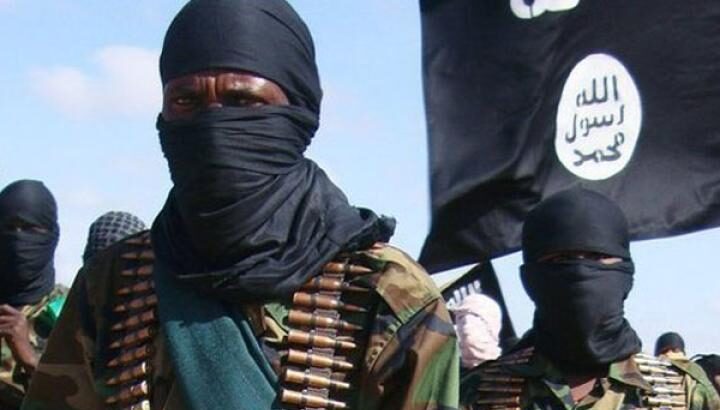
Al Shabaab in Somalia
Somalia-based Islamist militant group seeking strict Sharia rule, conducting insurgency and regional terrorist attacks.
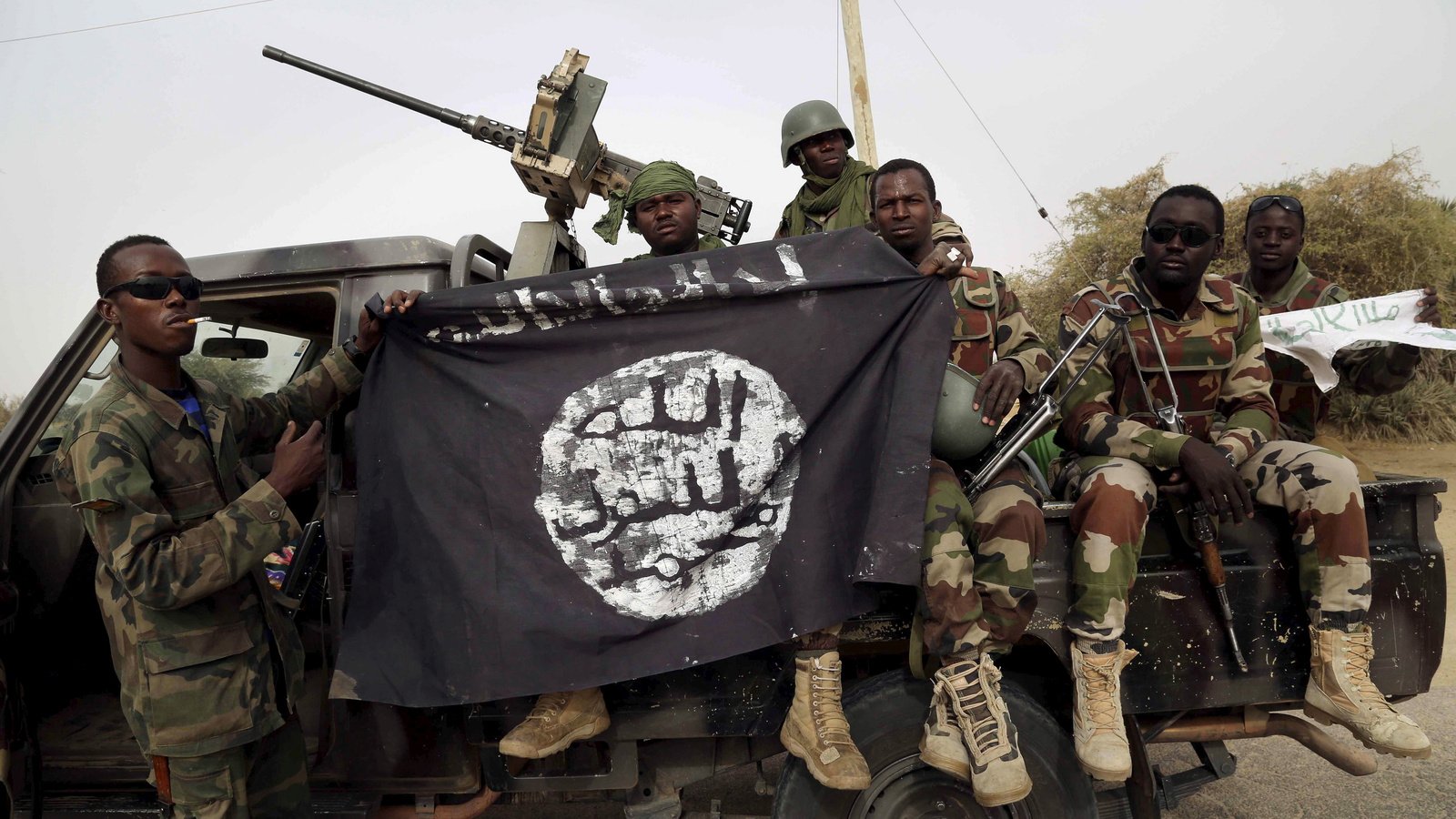
Boko Haram in Nigeria
Nigerian jihadist group opposing Western education, waging insurgency and mass kidnappings across northeastern Nigeria.
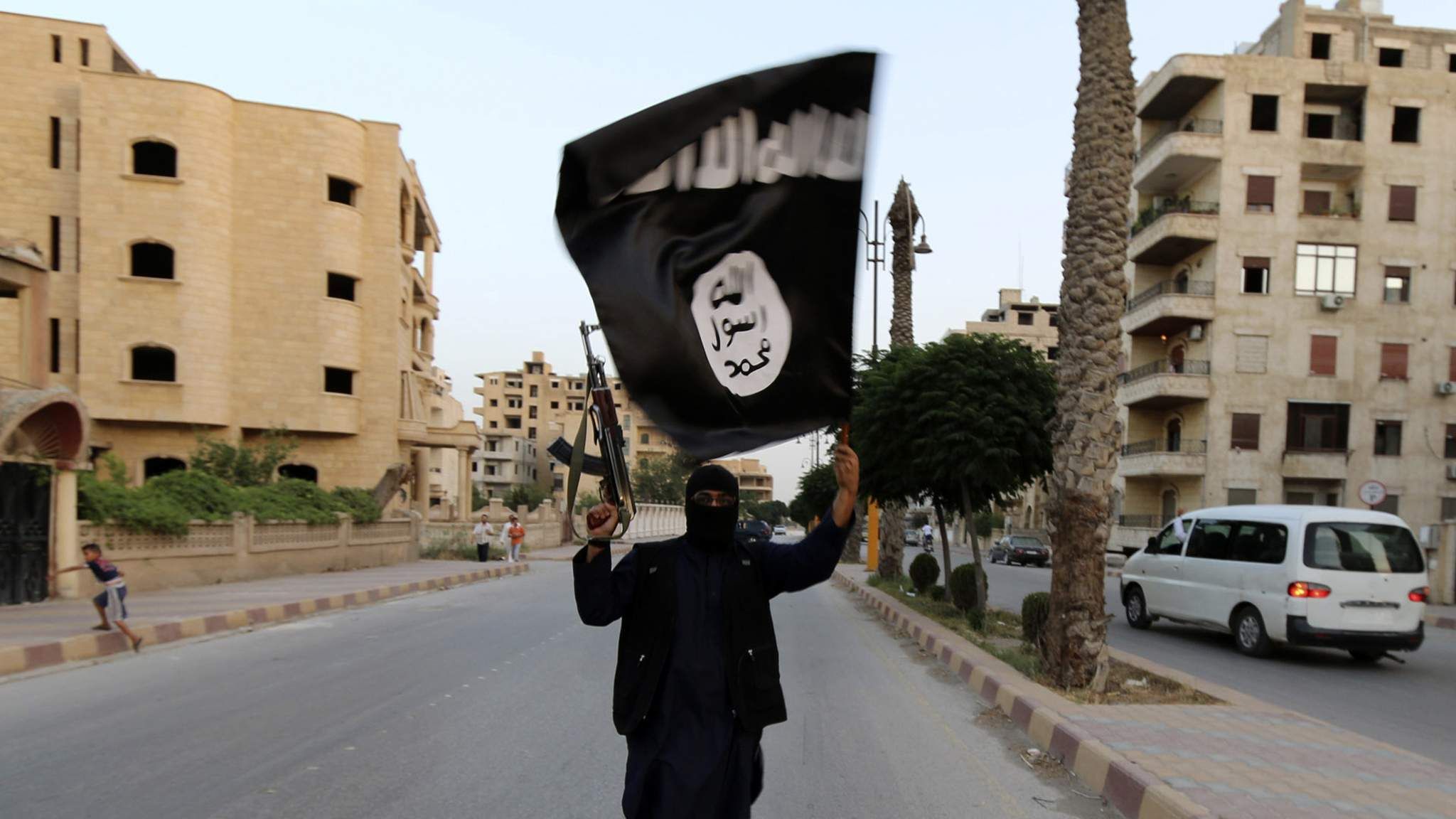
ISIS in Syria
Transnational jihadist organization that declared a caliphate, controlling territory and orchestrating global terrorist attacks.
what is the international freedom coalition?
We are on a mission to stop the global Jihad.
The International Freedom Coalition is grounded in the recognition that communities in the Middle East, Africa, Europe, and beyond have faced sustained pressure and violence linked to Islamist actors deploying force, financial leverage, and ideological influence. IFC exists to document these patterns, connect affected communities, and advance coordinated international efforts to confront and counter them.
The International Freedom Coalition transforms local testimony into coordinated international advocacy through a structured system of regional desks and community dossiers.
Step 01
Regional Desks
Regional desks function as coordinating hubs that work with local contributors, researchers, and community representatives to document conditions affecting vulnerable communities and maintain accurate records.
Step 02
Community Dossiers
Each dossier is a structured body of research focused on a specific community or issue within a region, bringing together historical and demographic context, contemporary developments, documented forms of pressure or violence, and first-hand testimony from affected communities.
Step 03
International Advocacy
Completed dossiers are brought before international institutions — the United Nations, national legislatures, and human rights courts — providing structured, evidence-based cases that cannot be ignored or misrepresented.
Why It Matters
Dossiers Serve Three Essential Purposes
01
Preserving Accurate Records
Ensuring experiences cannot be erased or misrepresented — creating a permanent, verifiable body of evidence for each community.
02
Informing Journalists & Policymakers
Providing evidence-based material for journalists, researchers, and policymakers who need reliable, structured documentation.
03
Equipping Communities
Giving communities structured, factual cases for engagement with international institutions — turning testimony into actionable advocacy.
The IFC is not a campaign — it is a permanent international framework. Its model is designed to create a continuous advocacy cycle in which documentation, institutional engagement, and public awareness reinforce one another over time, building precedent with every case advanced.
Sustained Visibility Over Episodic Attention
IFC is structured to maintain consistent international presence for affected communities, not just during moments of crisis but as a continuous body of documented evidence.
Each Case Strengthens the Next
Active dossiers are reinforced by testimony from supporting dossiers across all desks, transforming individual cases into evidence of systemic realities — and establishing precedent for future engagement.
Policy Independence & Moral Clarity
IFC works to ensure that democratic governments maintain clear, evidence-based positions when engaging with regimes or movements that employ coercion, terrorism, or political violence.
A Global Coalition by 2035
By 2035, IFC aims to have activated and advanced dossiers across all regional desks, ensuring every participating community has a pathway to international engagement and institutional recognition.
2026 Roadmap
Key milestones in IFC's founding year and beyond.
March 2026
Coalition Launch
The International Freedom Coalition officially launches, with founding regional desks operational and testimony submissions open globally.
April 2026
Inaugural Conference at JNS
IFC convenes its inaugural conference at JNS, bringing together founding members, regional desk leads, and allied organisations to set the Coalition's strategic agenda.
October 2026
First Dossiers Presented Internationally
IFC's first completed dossiers are brought before the United Nations, the United States Congress, and the European Court of Human Rights.
January 2027
North America, South America, East Asia & Euro Desks Open
Four new regional desks launch, extending IFC's reach across the Americas, East Asia, and Europe — broadening the coalition's global advocacy capacity.
IFC — Who Are We
Who Are We
Founded by Decades of Experience
The International Freedom Coalition was founded in 2026 by Dr. Charles Jacobs and Dr. Walid Phares — two scholars and advocates whose careers span human rights, international security, counter-terrorism, and global policy. The Coalition reflects their combined experience in connecting communities, documenting political realities, and bringing underrepresented voices into international discourse. It is guided by an expert council of advisers drawn from across the regions and disciplines relevant to IFC's mission.
IFC Dispatches delivers in-depth briefings, new dossier releases, event announcements, and research updates directly to your inbox. No noise — only what matters.
Your data is never sold or shared with third parties
Unsubscribe at any time — no questions asked
Secure signup powered by Mailchimp
Published when there is something worth saying
Subscribe to IFC Dispatches
Choose what you'd like to hear about — or select all topics to receive everything we publish.
By subscribing you agree to IFC's Privacy Policy. We use Mailchimp as our marketing platform — by subscribing you acknowledge that your information will be transferred to Mailchimp for processing. Mailchimp's privacy practices.